

Contact me if you need a pro
Unveiling the Power of Google Trends: A Deep Dive into Search Query Insights 2026

Unveiling the Power of Google Trends: A Deep Dive into Search Query Insights 2026
Estimated Reading Time: 7 minutes
Key Takeaways
- Google Trends helps you understand search interests across regions and timeframes, aiding in data-driven decisions.
- The tool uses a relative popularity metric, which normalizes search data to provide insightful trends.
- Features like “Trending Now” and search comparison enhance its utility for marketers, researchers, and content creators.
- Applications span content marketing, SEO, product development, and public relations, making it versatile for various sectors.
- Since its inception in 2004, Google Trends has evolved, incorporating more sophisticated analytics and visualization tools.
Table of Contents
What is Google Trends?
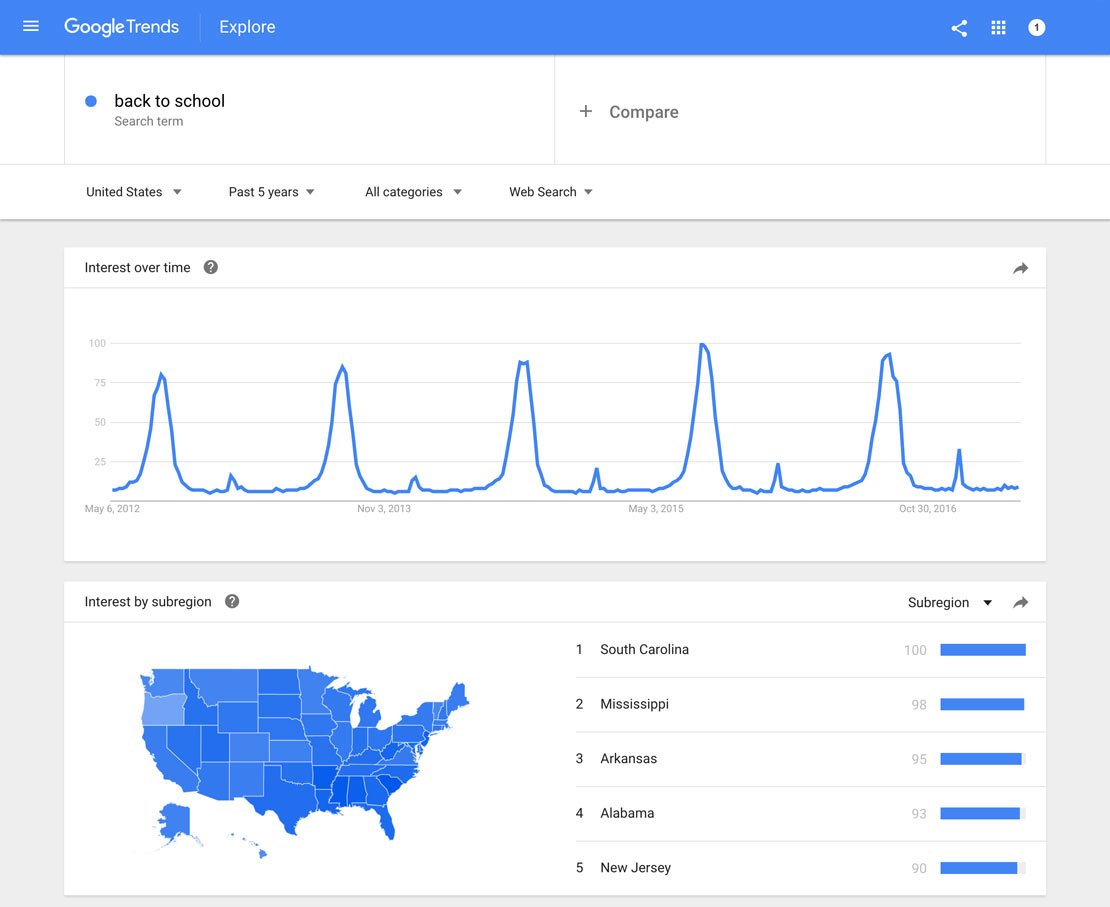
At its core, Google Trends is a free tool provided by Google that analyzes the popularity of search queries. According to Wikipedia, it measures search interest in specific topics, places, and time periods, all derived from a sample of Google searches. The data is presented through graphs and visualizations, making it user-friendly and easy to interpret. This powerful tool has become a staple in the arsenal of marketers and researchers alike, helping them make informed decisions based on public interest.
How Does Google Trends Work?
Understanding Google Trends requires a look into its unique analytics approach. Rather than providing absolute search volumes, Google Trends utilizes a relative popularity metric. Essentially, it gauges a specific query’s search volume and divides it by the total number of searches during a particular timeframe and geographical area. This yields a normalized view of search interest scored on a scale from 0 to 100, providing insightful graphs that highlight trends over time. As detailed by SEO Scout, the tool aggregates and filters the data, excluding repeat searches from the same user over short intervals. This filtration system enhances the accuracy of the search popularity representation.
The data used in Google Trends comes from a random sample of Google web searches, meaning it doesn’t reveal exact search numbers but rather trends based on the searches made. Furthermore, Google Trends offers historical data dating back to 2004 and real-time data from the previous week. This bifurcation into historical and real-time data allows users to analyze trends in greater detail (Rush Analytics).
Key Features of Google Trends
Trending Now
With the “Trending Now” feature, users can discover Google Search queries that are experiencing sudden spikes in interest, particularly in relation to current news stories. This real-time trend forecasting engine refreshes approximately every ten minutes on average, keeping users updated on the latest trends (Wikipedia). It operates across 125 countries, allowing users to filter trends according to various timeframes such as the past 4 hours, 24 hours, 48 hours, or even a week.
Search Comparison
The comparison feature allows users to analyze up to five different topics or search terms simultaneously. This functionality is particularly beneficial for marketers looking to compare interest in various products or services. Users can also apply geographical filters to examine how search trends differ by location (Rush Analytics).
Geographical Insights
Geographical insights provide users with search interest data grouped by various levels of granularity—from country to region, city, and in some cases, metro areas. This feature can help businesses understand regional differences in search interests, thereby aiding in localization strategies (Google News Initiative).
Time-Based Filtering
Google Trends allows users to manipulate timeframes and display data from any year since 2004. This means that users can analyze how trends shift over specific periods, helping them identify patterns or seasonal trends (Rush Analytics).
Applications of Google Trends
Content Marketing
Marketers can use Google Trends to craft content that resonates with current audience interests. By identifying trending topics, marketers can create articles, blog posts, and social media content that are more likely to attract views and engagement. This data-driven approach helps ensure that content remains relevant and valuable to readers (WordStream).
SEO Strategy
Search engine optimization (SEO) relies heavily on understanding what users are searching for. Google Trends aids in keyword research by revealing which keywords are gaining traction. Businesses and website owners can tailor their SEO strategies based on up-to-date information about search interests (Exploding Topics).
Product Development
For businesses, understanding consumer demand is critical when developing new products. By analyzing trends, companies can identify gaps in the market or discover features that users are currently interested in. This feedback loop can help drive product innovation (Rush Analytics).
Public Relations
Google Trends can be instrumental for public relations teams. By monitoring current trends, PR professionals can craft announcements, campaigns, or responses that align with what the public is currently interested in. Staying informed about trending topics is essential for journalistic relevance and public engagement (WordStream).
The Evolution of Google Trends
Google Trends has come a long way since its launch in 2004. Initially offering basic trend analysis, the tool evolved significantly over the years. A notable milestone occurred on August 5, 2008, when Google introduced Google Insights for Search, which provided more sophisticated data visualizations and trends. Then, on September 27, 2012, Google merged these insights into Google Trends, solidifying its capabilities as a comprehensive trend analysis tool (Wikipedia).
With the continuous updates and enhancements made to Google Trends, it has become an essential resource for anyone looking to understand public interest and search behavior.
Conclusion
In this digital age, where information is rapidly changing and evolving, Google Trends stands out as a unique and invaluable tool that provides critical insights into the world of online search behavior. By measuring the popularity of search queries and displaying data through intuitive graphs and visualizations, Google Trends helps users navigate the complexities of consumer interests. Whether you aim to refine your marketing strategy, optimize SEO, or simply satisfy your curiosity about what people are interested in, Google Trends offers a wealth of information at your fingertips.
As we continue to see shifts in public interest and the emergence of new topics, leveraging tools like Google Trends will remain essential. So the next time you find yourself wondering what topics are currently capturing the world’s attention, don’t hesitate to consult Google Trends—it just might reveal the insights you’re looking for!
For more insights on real-time search behaviors, check out our post on Understanding Google Trends: The Ultimate Tool for Real-Time Insights. For strategies on improving website traffic influenced by such insights, see our article on Maximizing the ROI of Professional Websites. Explore how Google Trends can enhance your SEO Strategy by understanding user behavior effectively. If you’re interested in maximizing your web development efforts, read about harnessing custom ecommerce solutions for better ROI. Finally, for a closer look at enhancing content marketing through trends, visit WordStream’s insights on Google Trends.
Frequently Asked Questions (FAQ)
- What is Google Trends used for?
Google Trends is used to analyze the popularity of specific search queries over time and across different languages and regions. It helps users understand public interest and behavior in various sectors. - Can Google Trends be used for keyword research?
Yes, Google Trends can aid in keyword research by showing which keywords are trending and how their popularity changes over time, providing valuable insights for SEO strategies. - Is the data from Google Trends reliable?
Google Trends data is reliable in showing trends and patterns in search behavior, but it does not provide exact search volume figures. It uses a relative popularity metric to show normalized search interest. - How often is Google Trends updated?
Google Trends updates its “Trending Now” section approximately every ten minutes, allowing users to see real-time trends as they unfold. - Can I use Google Trends data for past dates?
Yes, Google Trends provides access to historical data dating back to 2004, enabling users to analyze long-term search trends and patterns.
